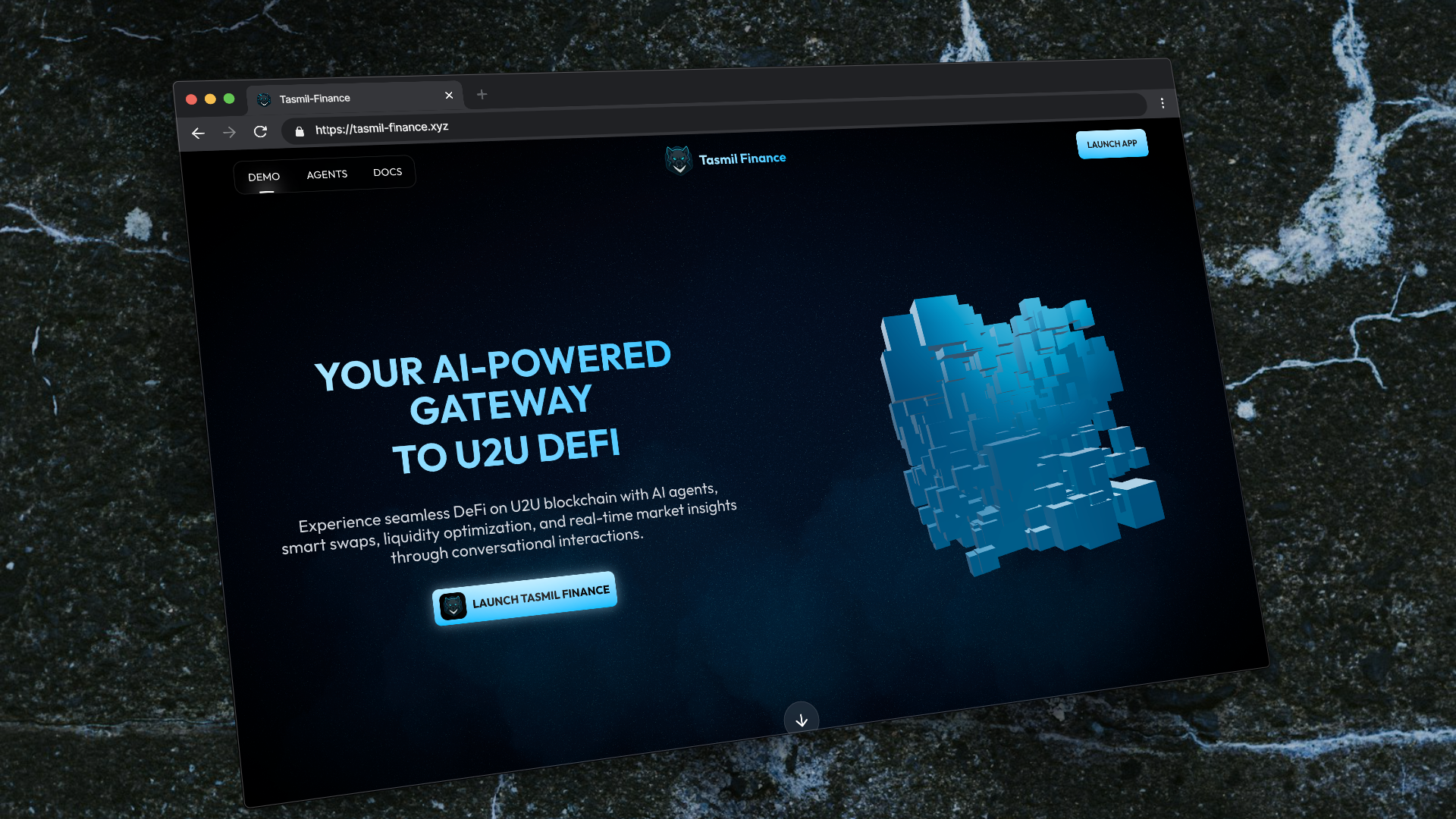
Tasmil Finance: AI Yield Optimization That Proves Its Work
Framing: Thought leadership + live product
Framing: Thought leadership + live product
The promise of AI in DeFi has always been simple: a system that watches markets continuously, moves capital to where it earns the most, and never sleeps. The question serious users ask is not whether that sounds useful. It's whether they can trust it with real money.
Tasmil Finance is Morca Labs' answer to that question - an AI yield optimizer built on Stellar that manages DeFi and real-world asset positions non-custodially, and proves every decision it makes before any value moves.
The trust problem in AI-driven finance
Giving an AI system authority over a financial position requires answering one question with confidence: what happens when it's wrong?
Most AI financial tools handle this implicitly. They promise good performance, cite backtest numbers, and leave the question of failure modes as a footnote. The risk sits with the user.
Tasmil handles it explicitly. Every action the system proposes must pass through an on-chain policy contract before it executes. The contract doesn't negotiate. If a proposed action falls outside the parameters the user has authorized - wrong protocol, wrong token, above the defined value ceiling - the transaction is rejected at the contract level. The AI cannot override this. The infrastructure cannot override this. No one can.
This is not a feature. It's the architecture.
How Tasmil works
When a user deposits into a Tasmil strategy, they define the scope of what the system is permitted to do: which protocols, which assets, what position limits. These parameters are encoded in an on-chain policy contract that persists independently of any backend system.
From that point, Tasmil's AI layer continuously analyzes Stellar's yield environment - lending rates on Blend, liquidity incentives on Aquarius, DEX routing on Soroswap, and yield from tokenized real-world assets. When it identifies a rebalancing opportunity, it produces a proposed plan and a signed record of its reasoning.
The reasoning record is not a log that lives in a database. It's a hash-chained, signed sequence of analysis steps - which data sources were consulted, what risk factors were evaluated, what the expected outcome is. This record is attached to the proposed action. When the backend presents the action for execution, it presents the reasoning record alongside it. The on-chain policy contract validates both: the action must be in scope, and it must be backed by a matching signed record from the AI layer.
If either check fails, the transaction doesn't execute.
A yield environment that most AI systems aren't on
Stellar was not built for retail speculation. It was built for institutional asset issuance, cross-border payments, and settlement. The result is an ecosystem with a different character: over $3 billion in tokenized real-world assets from names like Franklin Templeton, Ondo Finance, Spiko, and WisdomTree, alongside a growing DeFi layer of lending markets, DEXs, and liquidity protocols.
Tasmil is the bridge between these two sides of Stellar's ecosystem. The RWA layer provides stable, yield-generating assets with institutional credibility. The DeFi layer provides additional yield opportunities through lending and liquidity provision. An optimizer that works across both - routing capital to where the risk-adjusted return is highest - has access to a yield landscape that no EVM-focused competitor can replicate.
Stellar's consensus mechanism adds a structural security property: there is no public mempool. When Tasmil rebalances a position, the transaction is not visible to external actors before it confirms. The front-running and sandwich attacks that cost DeFi users billions of dollars annually on other chains are not a factor here.
Discipline over activity
The easiest thing an AI yield optimizer can do is be busy. Constant rebalancing looks like diligence. It can also be expensive: gas costs, slippage, liquidity reward lockups, and the degradation of a signal between when it's generated and when it's acted upon can easily exceed the gain the rebalance was meant to capture.
Tasmil executes only when the expected net gain - after accounting for all friction costs - justifies the action. Every signal the system uses carries provenance: its source, its historical accuracy, and how quickly it decays. Signals that have underperformed their historical track record are benched automatically.
The system also publishes its predicted return for each action alongside the realized return after execution. This is a public scorecard, not a marketing metric. Over time it is the most credible evidence of whether the system's judgment is actually generating edge.
Non-custodial throughout
Tasmil never holds withdrawal authority over user principal. Users deposit into their own on-chain position; the system's session keys are scoped to rebalancing actions within the defined policy, not to arbitrary fund movement. A user can withdraw their position at any time, independently of any backend system state. The protocol is designed so that backend downtime cannot strand user funds.
Tasmil Finance is live on Stellar Mainnet. Learn more at tasmil-finance.xyz.
Read the latest
Related dispatches
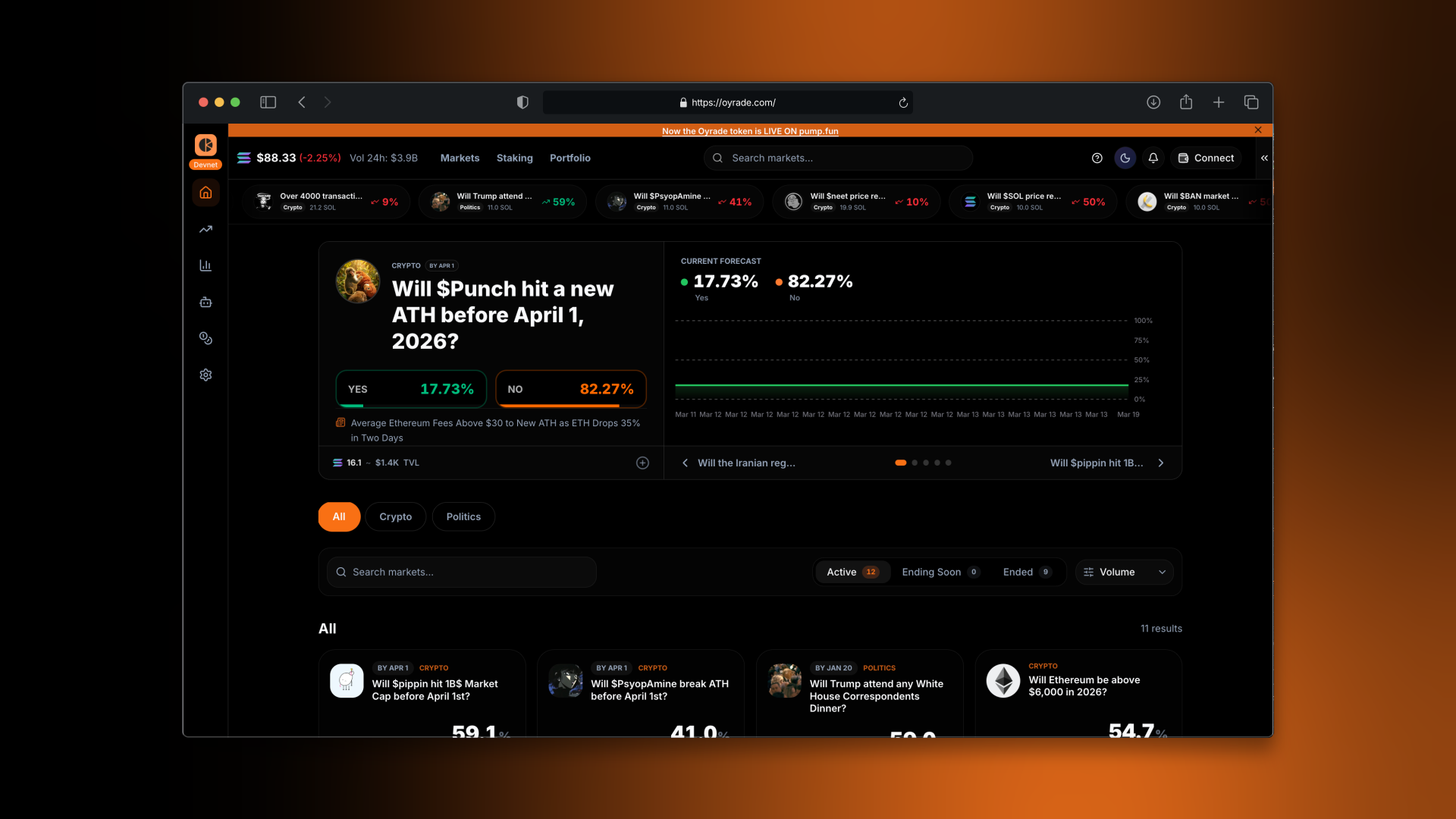
Oyrade: Prediction Markets Where Your Position Is Your Business
Framing: Product explanation
Jul 2, 2026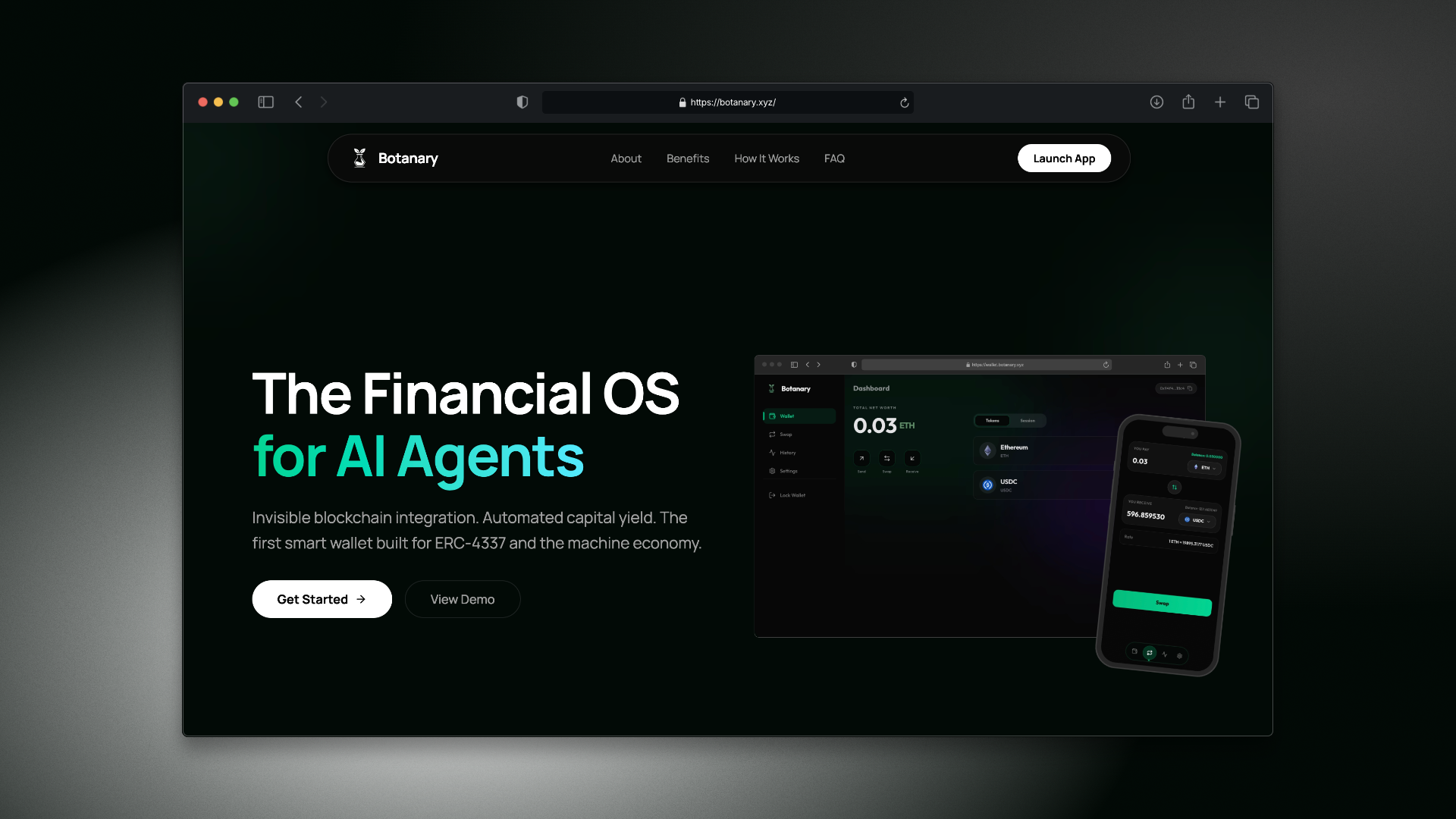
Botanary: One Authorization. Every Chain. Enforced.
Framing: Product explanation - what it does, how it works, why it's safe
Jul 2, 2026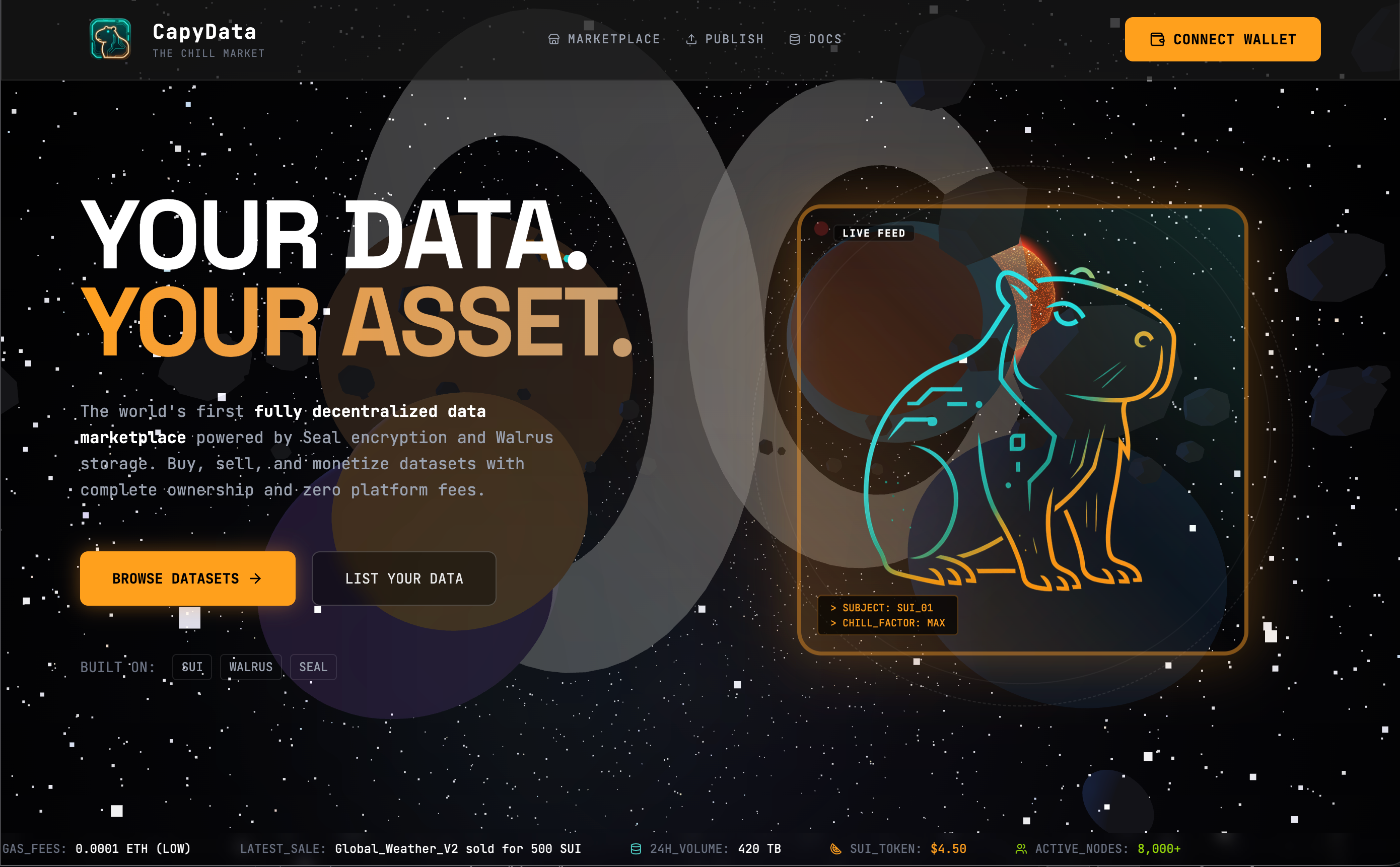
The Hidden Cost of AI Models That Don't Know Where Their Data Came From
Framing: Thought leadership - establishes the problem Capydata solves
Jul 2, 2026