Why We Believe the Next Frontier in AI Finance Is Verifiable Reasoning
Framing: Thought leadership - positions Morca Labs as serious R&D lab

Framing: Thought leadership - positions Morca Labs as serious R&D lab
When a trader makes a decision, they can explain it. They can point to the data they looked at, the analysis they ran, the risk factors they weighed, and the conclusion they reached. That explanation can be reviewed, challenged, and audited. If the decision was wrong, the reasoning trail makes it possible to understand why and to hold the right party accountable.
When an AI system makes a financial decision today, the trail is typically: the model produced output X. That's it.
This isn't adequate for serious financial applications. The question isn't whether the AI was right or wrong on a given trade. The question is whether there was a rigorous process, whether that process is reviewable, and whether the decision was made within the boundaries the human authorized. For institutional capital, for regulated businesses, and for any application where the AI is managing real money, these questions require real answers.
The architecture of verifiable AI decisions
At Morca Labs, we've designed our AI financial systems around a principle we call "AI proposes, contracts dispose." The AI layer generates proposals. The on-chain infrastructure validates and enforces scope. No amount of AI confidence bypasses the on-chain check.
But we've extended this further. The AI layer in Tasmil Finance doesn't just produce a trade recommendation - it produces a signed reasoning record. A hash-chained, signed log of the analysis process: what data sources were consulted, what the risk assessment found, what dissenting analysis was considered, and what the final recommendation was.
This record is not stored in a database we control. It's tied cryptographically to the proposed action. When the execution layer presents the action for on-chain validation, it presents the reasoning record alongside it. The policy contract checks that the reasoning record exists, that it matches the action being proposed, and that the action is within scope. All three must be true. If any check fails, no value moves.
Why a single AI model is not enough
A single model making financial decisions carries correlated failure risk. If the model has a blind spot - a domain where its training leads it systematically astray - it will fail repeatedly in that domain, with confidence. Running the same model multiple times doesn't give you independent validation.
Tasmil's intelligence layer uses multiple specialized agents, each with a distinct role and implemented with different model families. A planning agent proposes the strategy. A quantitative agent analyzes the numbers independently. A risk agent specifically looks for failure modes - its job is to find reasons the plan is wrong, not to validate it. Adversarial agents argue opposing positions. A synthesis agent evaluates the full debate.
The final recommendation emerges from a structured process where perspectives are genuinely in conflict, not from a single model trying to balance competing considerations internally. A failure mode that affects one model family is evaluated by agents running on others. The correlated failure probability is meaningfully lower than any single-model architecture.
Publishing the scorecard
The most important accountability mechanism is also the simplest: publish what you predicted and what actually happened.
For every action Tasmil Finance executes, we publish the predicted return and the realized return. Not aggregated across all positions. Per action. The gap between prediction and realization is the measure of whether the AI's judgment is actually generating value, or just generating activity.
This is an uncomfortable commitment. It means the system's performance is permanently public. Bad calls are on record. A system that generates real edge will look good on this scorecard over time. A system that doesn't will be obvious.
We believe this kind of transparency is the right direction for AI in finance. Systems that prove their reasoning and publish their accuracy give users the information they need to make genuine trust decisions - not just feature comparisons. That's the standard we're building to.
Read the latest
Related dispatches
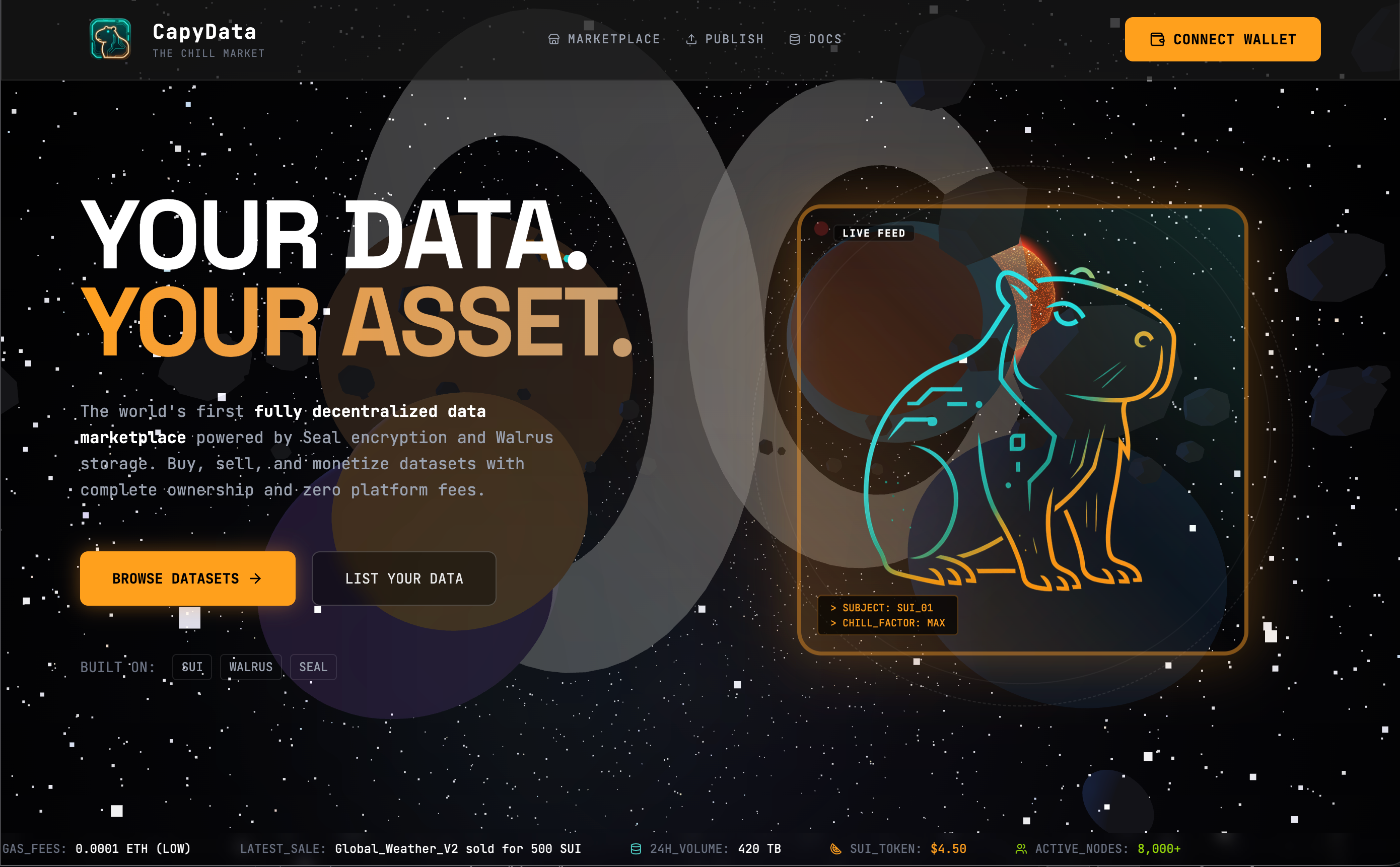
The Hidden Cost of AI Models That Don't Know Where Their Data Came From
Framing: Thought leadership - establishes the problem Capydata solves
Jul 2, 2026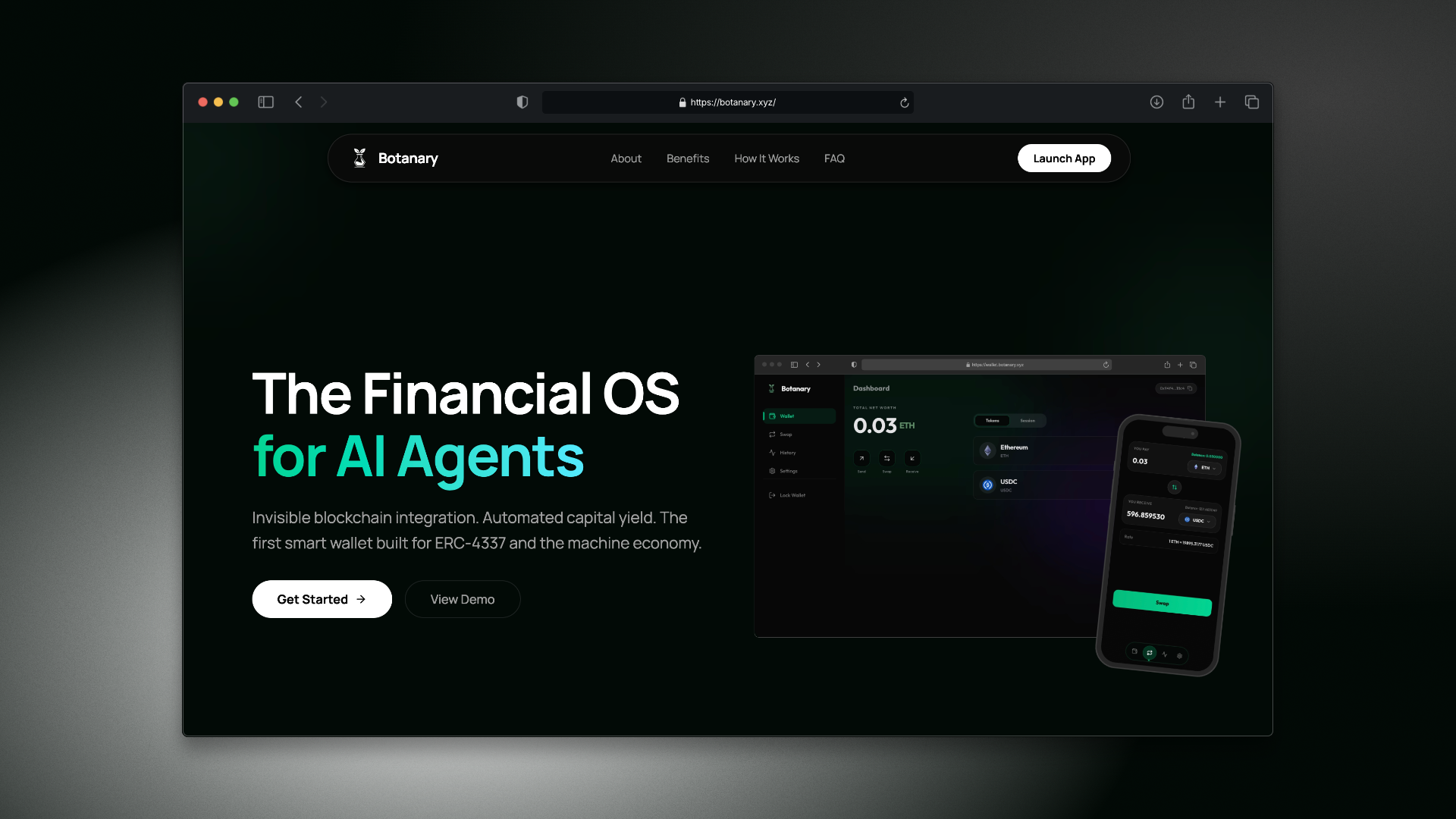
Why AI Agents Need a Financial Operating System
Framing: Thought leadership - establishes the problem space Botanary solves
Jul 2, 2026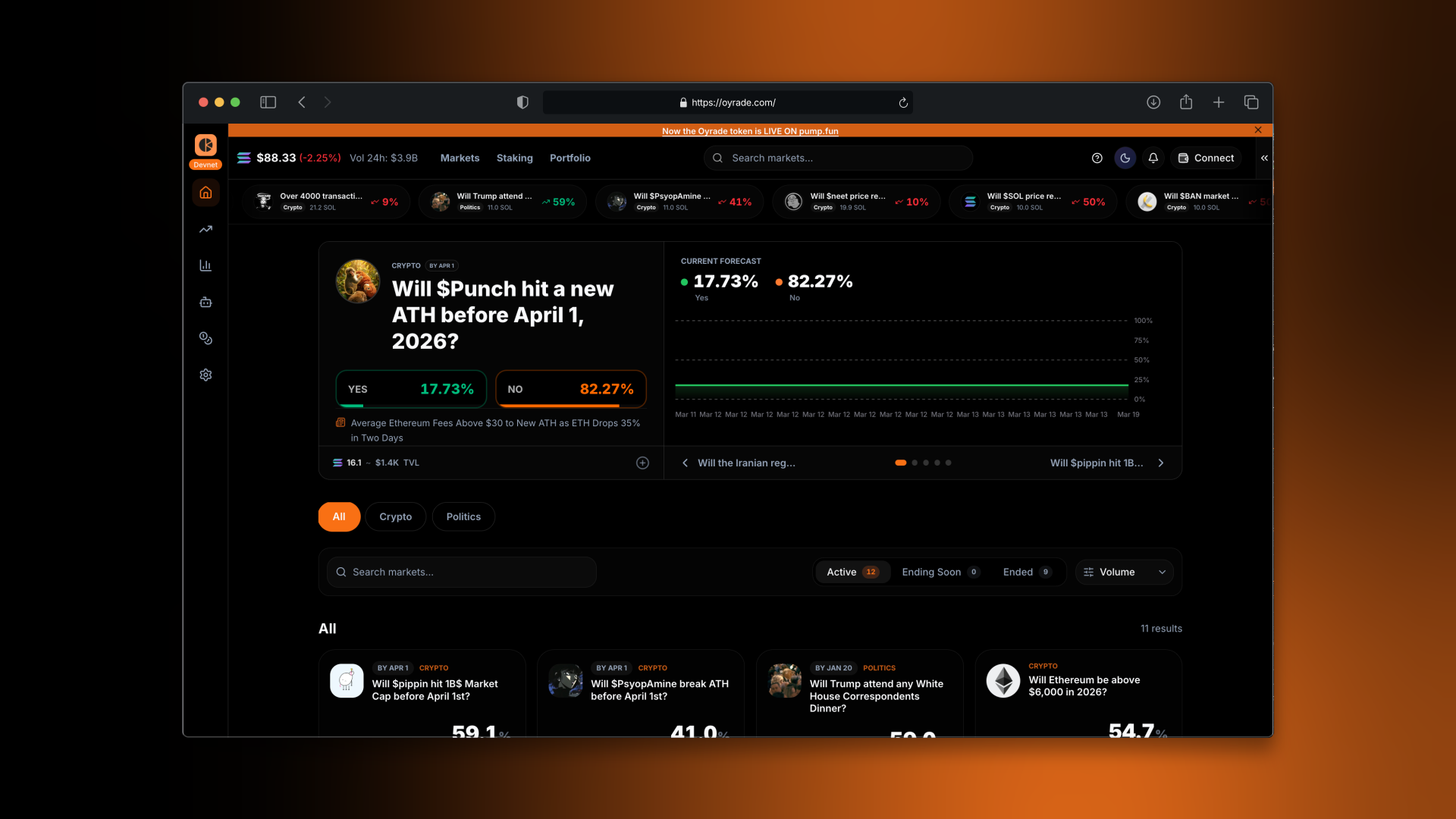
Oyrade: Prediction Markets Where Your Position Is Your Business
Framing: Product explanation
Jul 2, 2026